The problem
Wire harnesses are still built by hand, on form boards, one wire at a time. They are slow, easy to get wrong, and bad for high-mix production.
Schematic to machine path
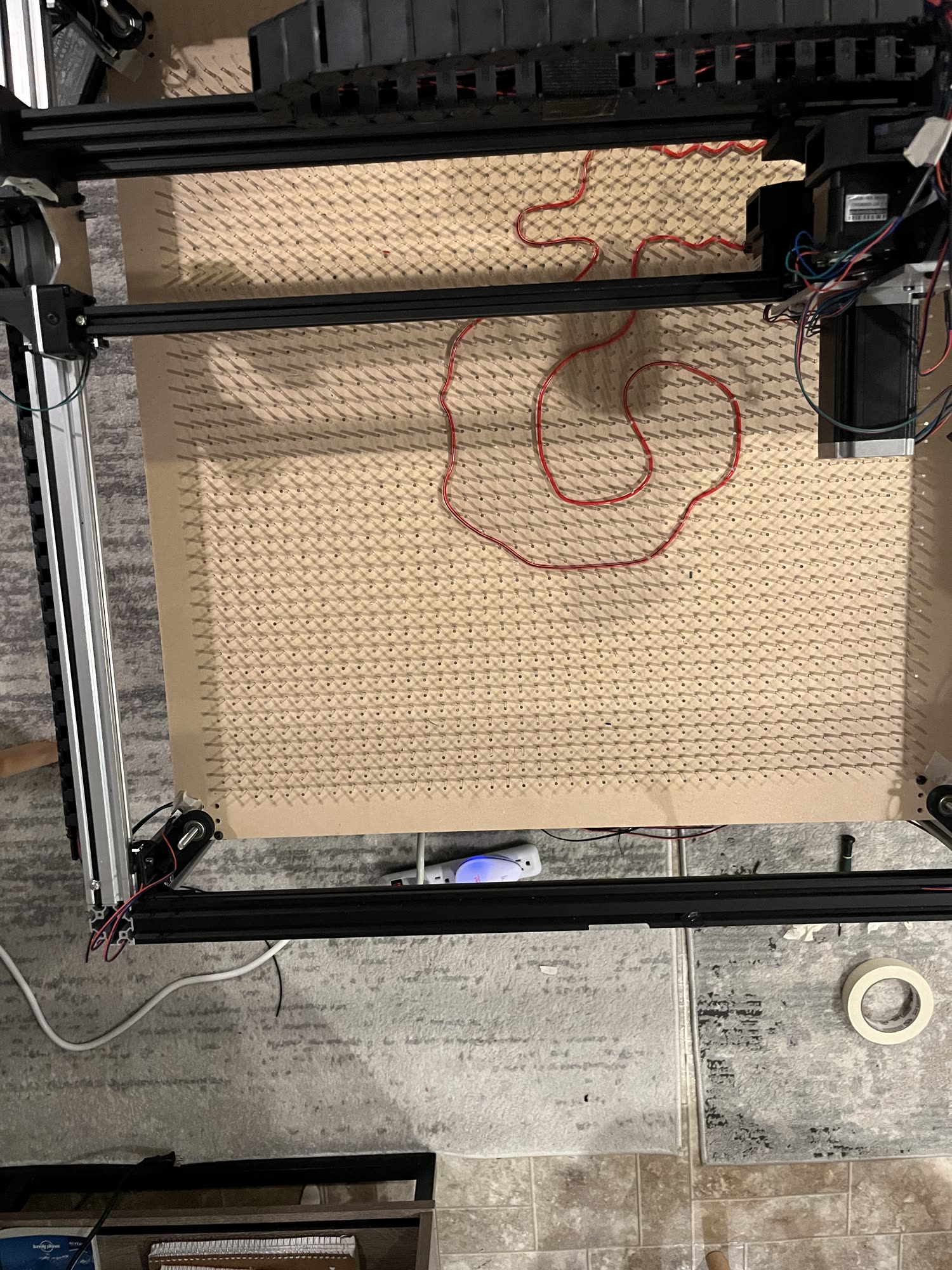
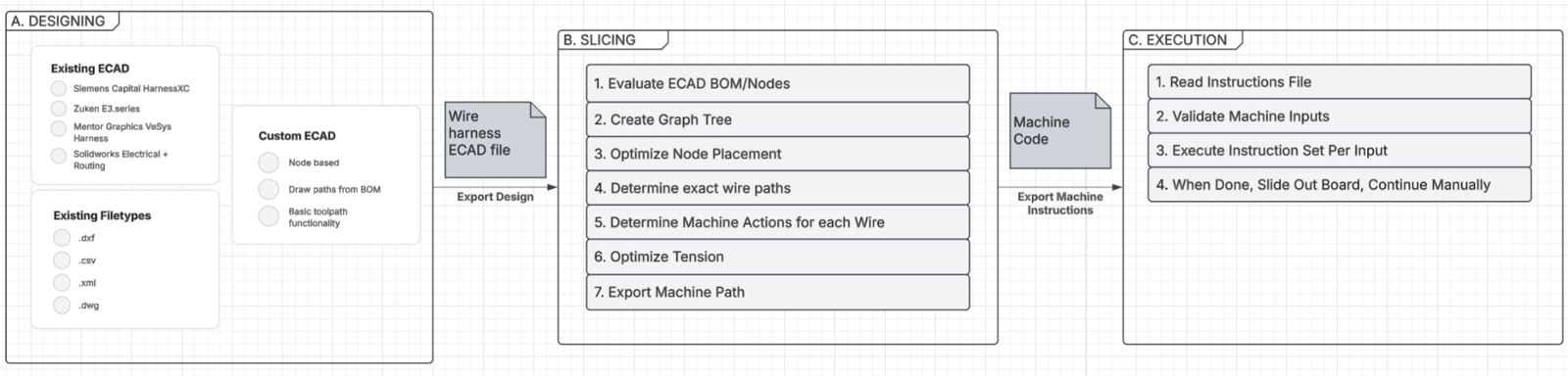
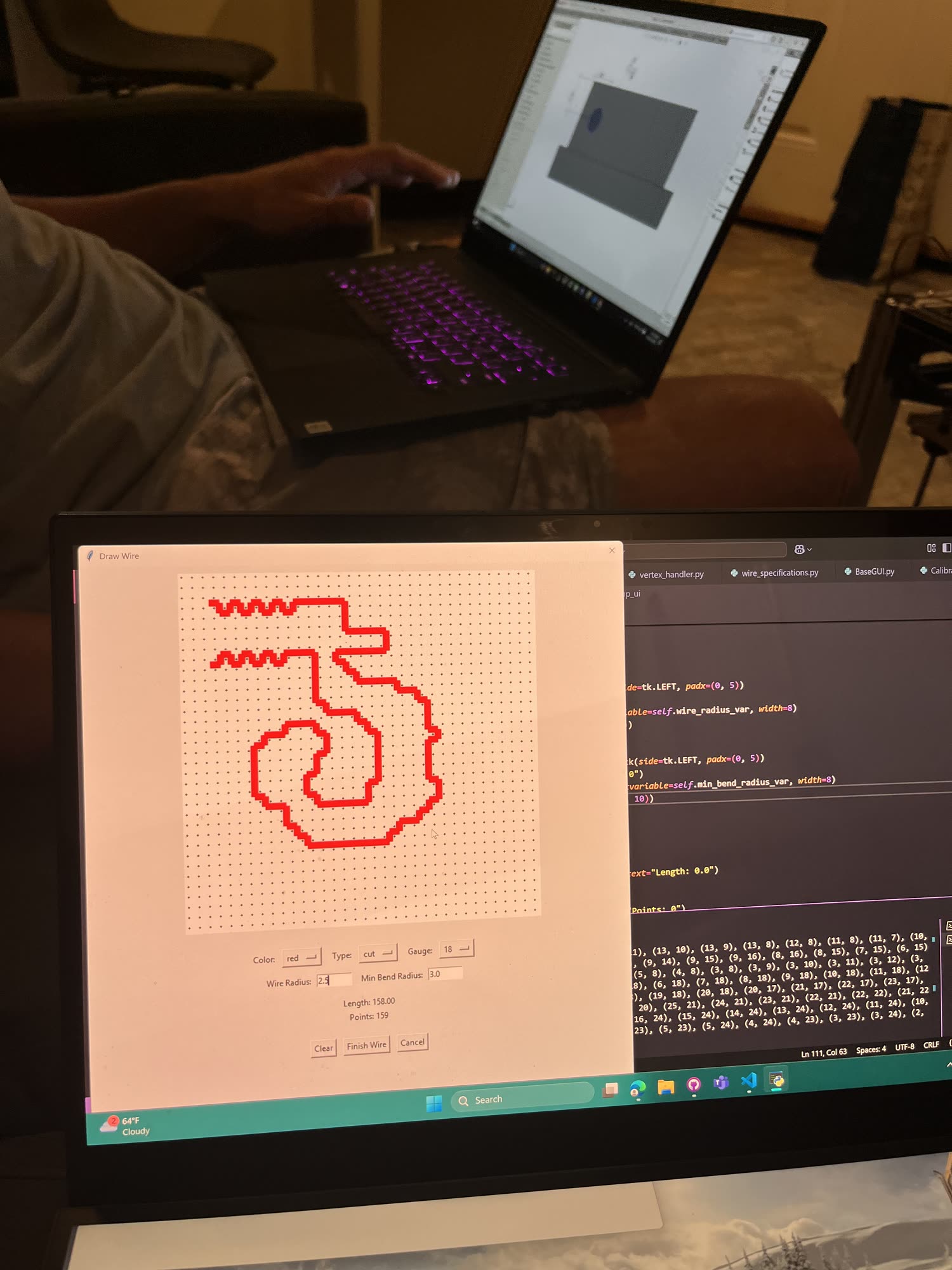
The goal is an ECAD harness file in, machine code out. We built the machine code side, but not the ECAD slicer — that is saved for V2.
Tensioning
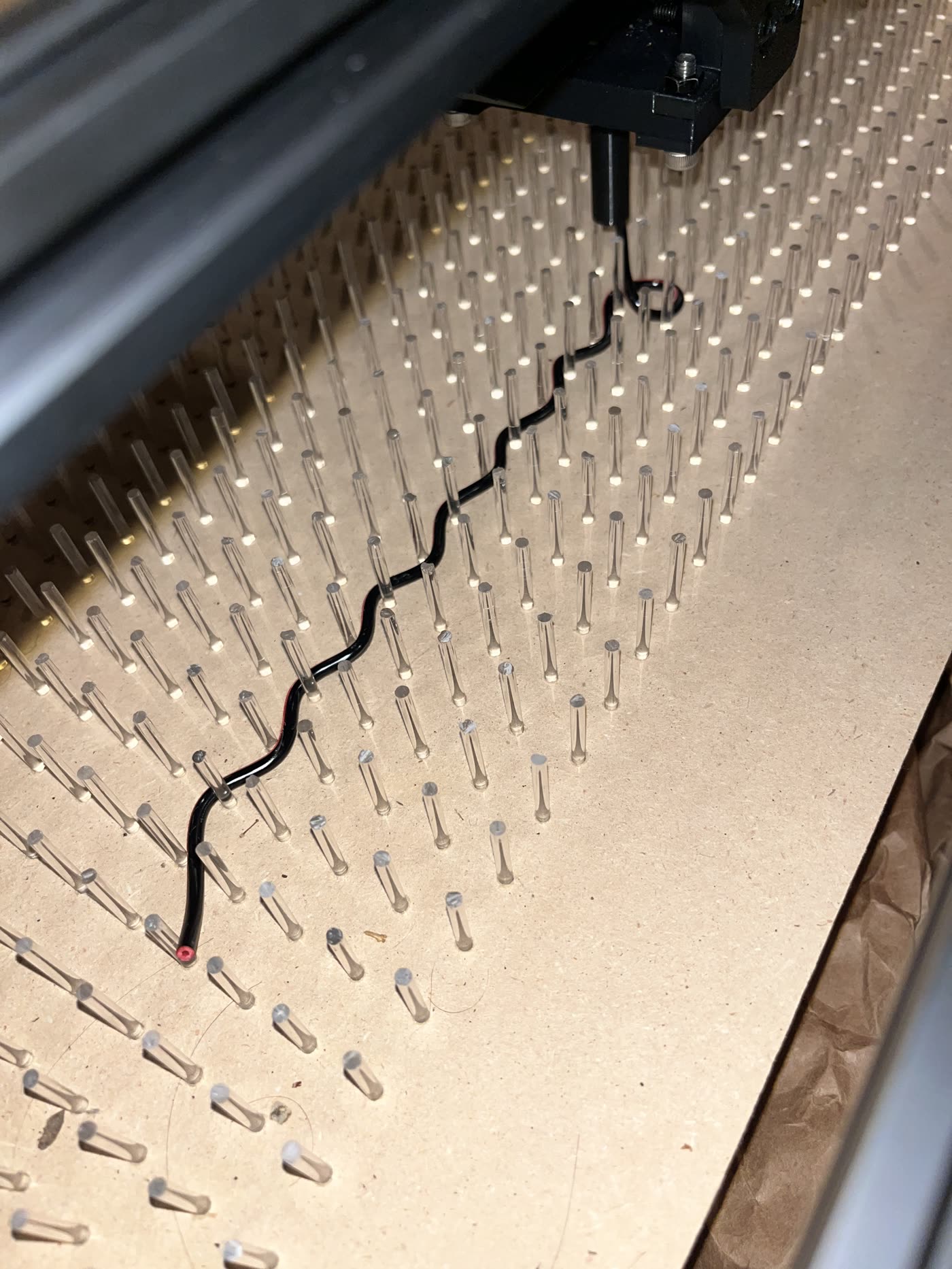
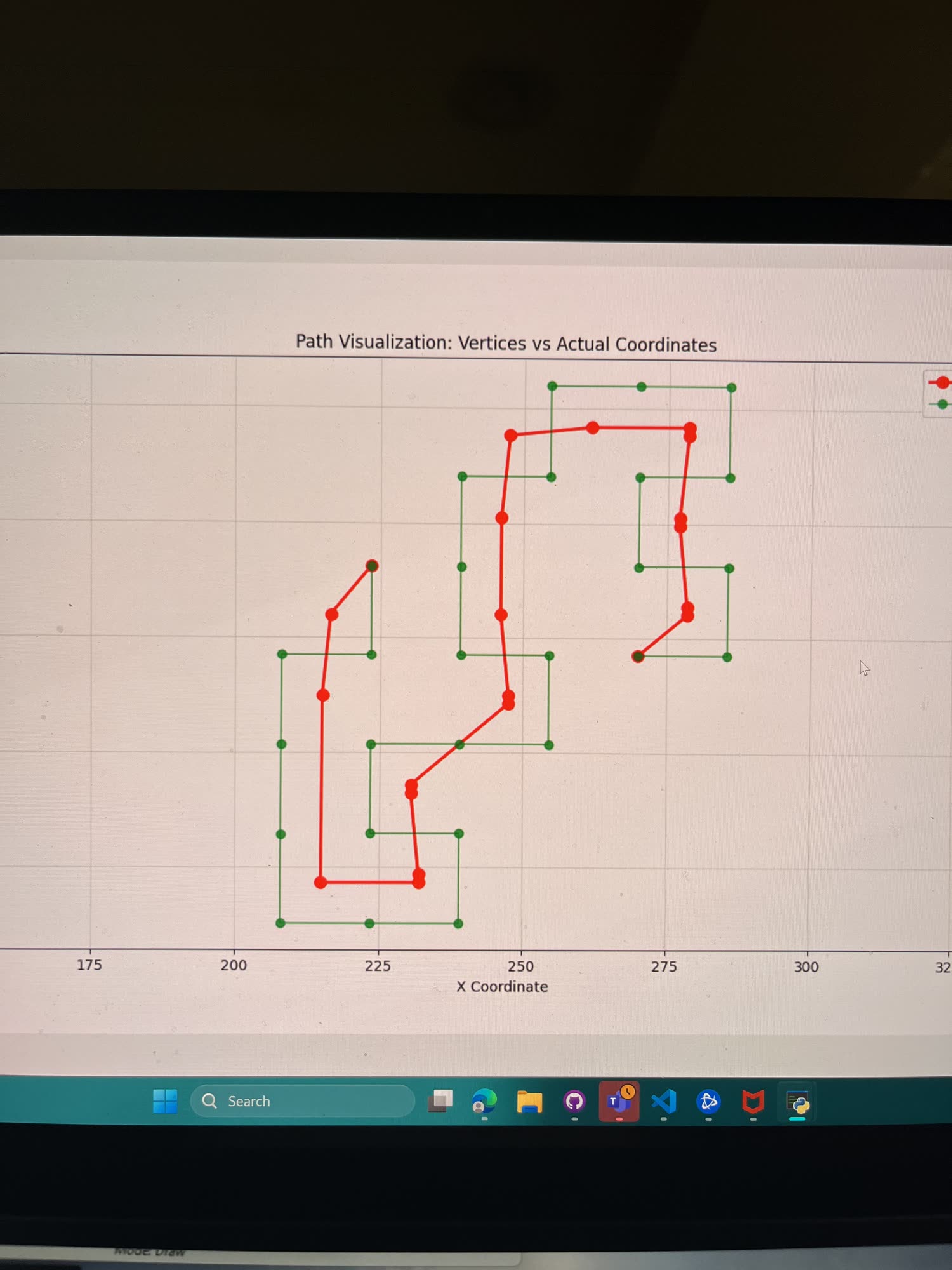
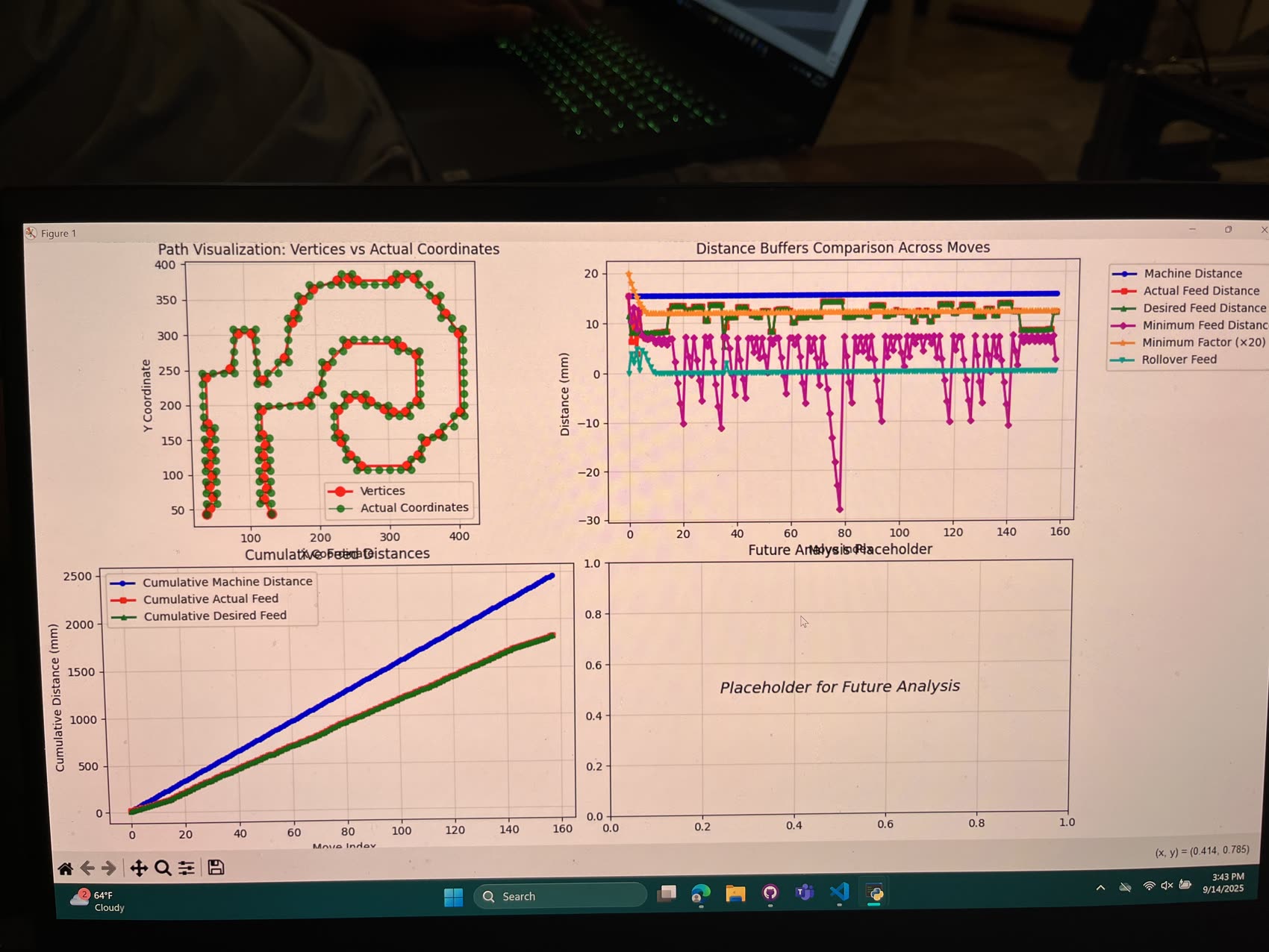
Feedrate control is the most important aspect. Too little wire and the head drags pegs out of the board; too much and the harness goes slack.
The machine
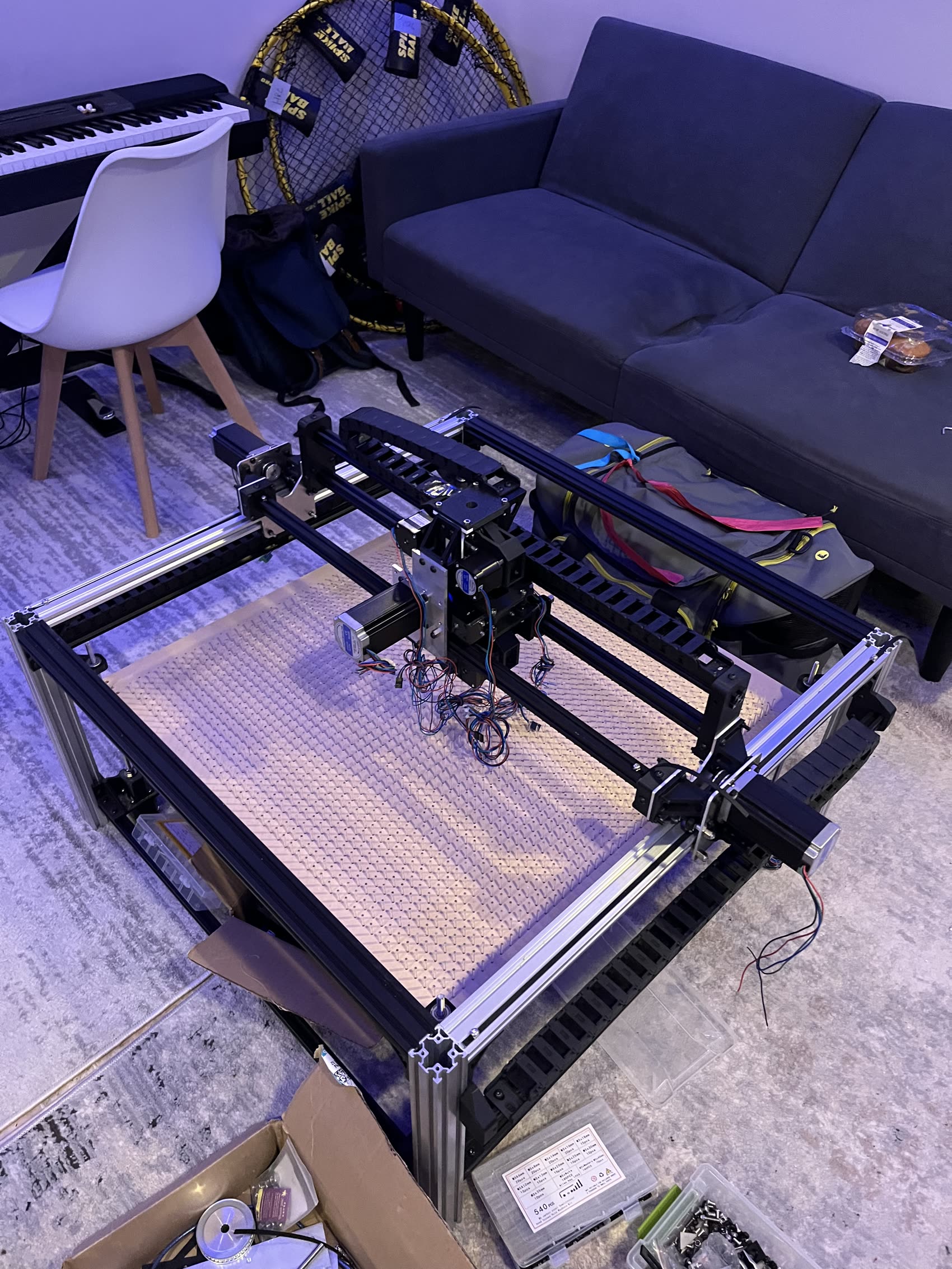
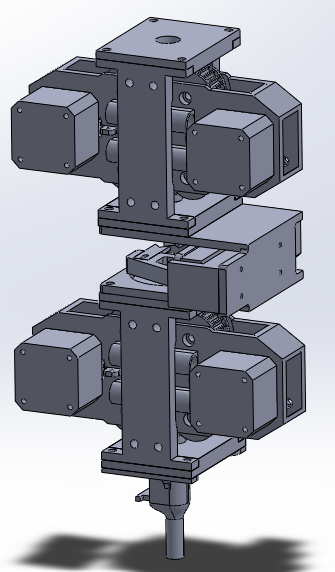
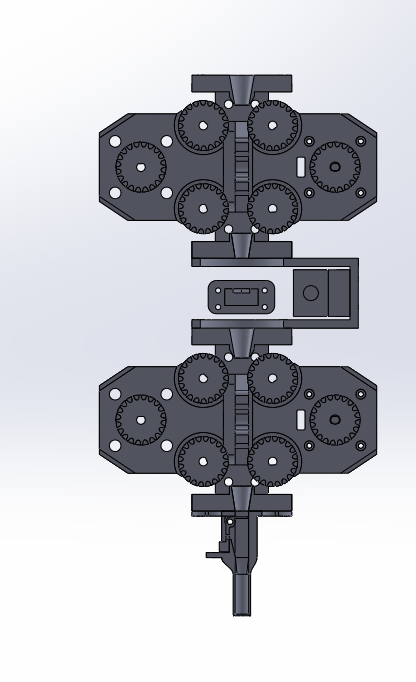
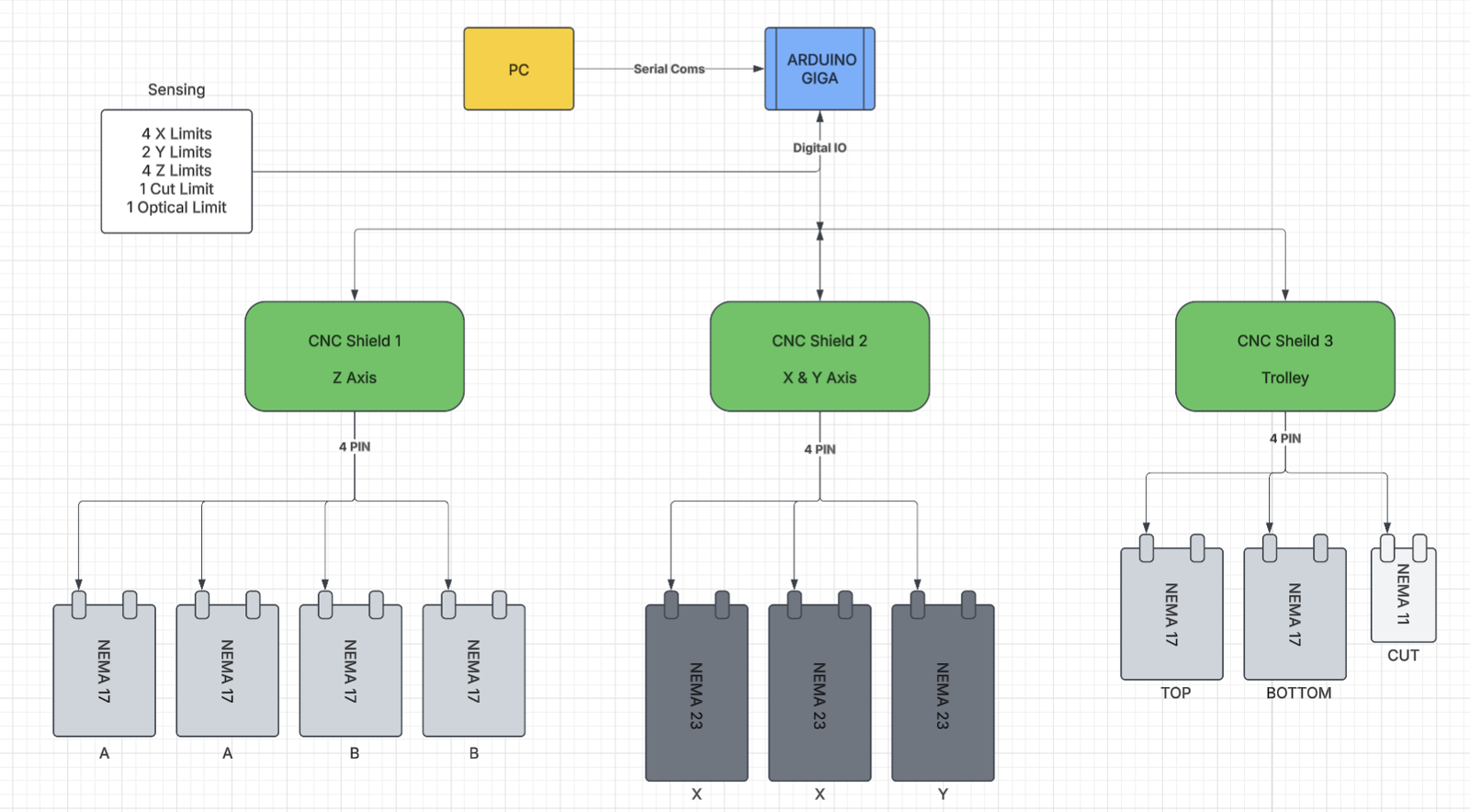
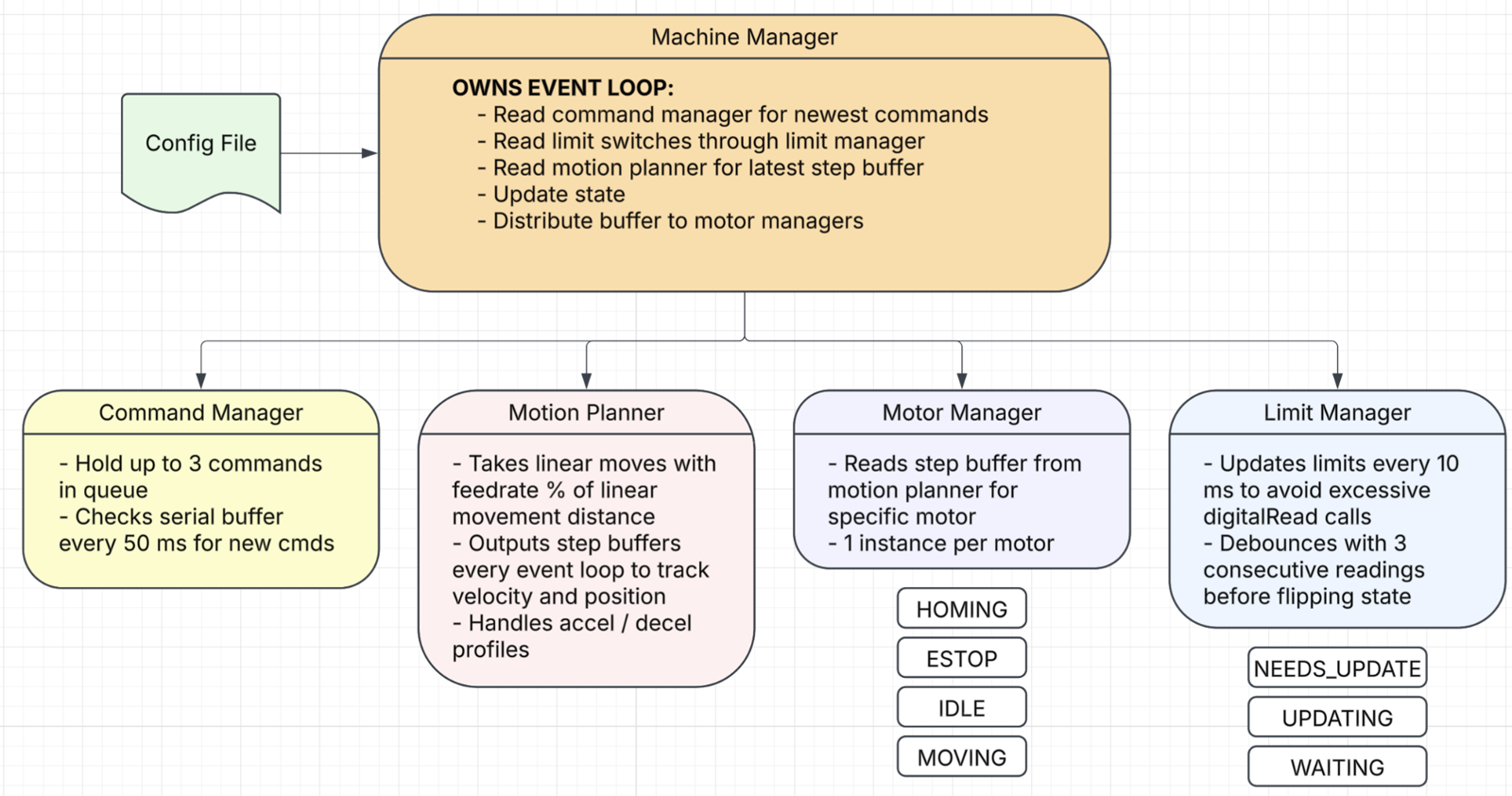
Ten steppers across three CNC shields, with an Arduino Giga running the event loop. The PC slices the path into machine code, then sends it to the Arduino.
What V1 taught us, and V2
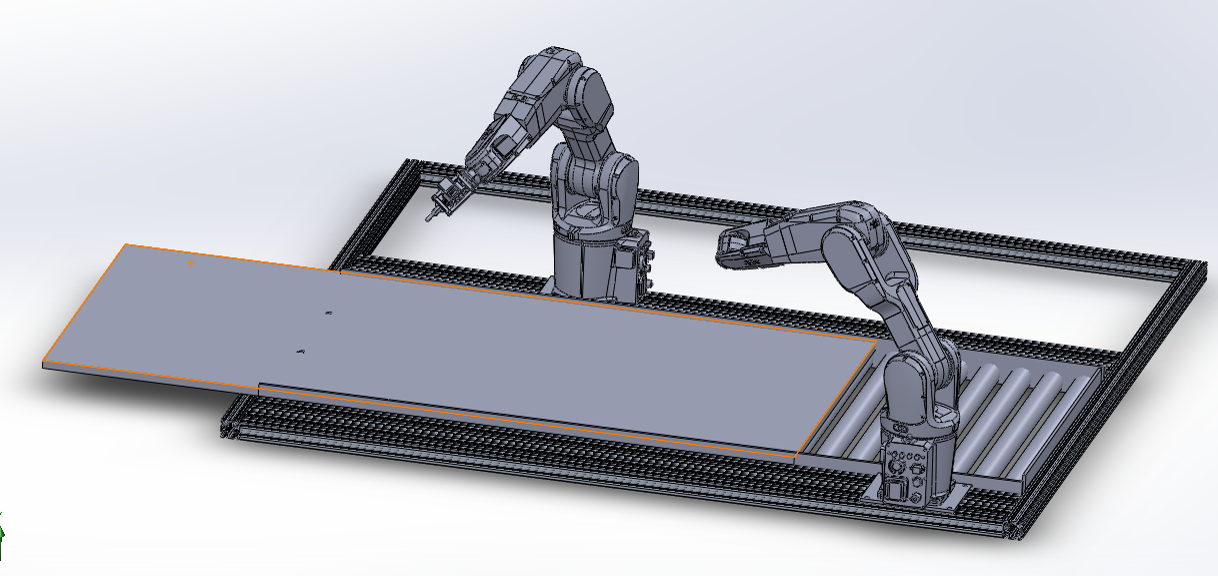
The pegs were too small and too constrained, which made starting and ending a wire the hardest part of any run. Extrusion also put the crimps at risk. Cutting and crimping are already well handled by existing machines, so V2 leaves them alone and focuses on routing and assembly. It drops the pegboard for two robotic arms, one carrying a pinch grip and one carrying the extrusion head, with vision as a cross check.
Built with my brother, a mechanical engineer at SpaceX.